Analogie: colori, movimenti, forme e suoni /Analogies: colours, movements, shapes and sounds
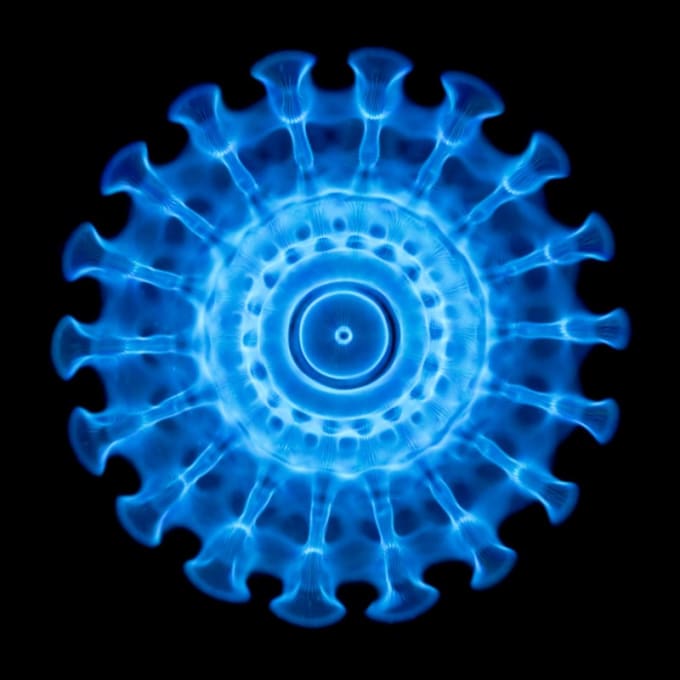
CIMATICA/CYMATICS
Il termine cimatica designa una teoria, dovuta allo studioso svizzero Hans Jenny, che tenta di dimostrare un effetto morfogenetico delle onde sonore. Il nome cimatica è stato coniato dallo stesso Hans Jenny, e deriva dal greco kymatika (κυματικά) che significa “studio riguardante le onde” (da kyma (κΰμα) che significa “onda, flutto”).
————————————————————————————————————–
The term cymatics designates a theory, due to the Swiss scholar Hans Jenny, which attempts to demonstrate a morphogenetic effect of sound waves. The cymatic name was coined by Hans Jenny himself, and derives from the Greek kymatika (κυματικά) which means “study concerning the waves” (from kyma (κΰμα) which means “wave, billow”).
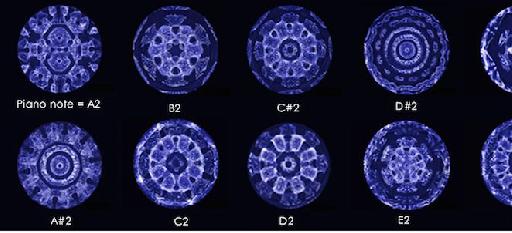
Nella foto presa da cymascope.com, ci mostra i patterns geometrici delle note di un piano. Ogni nota crea una forma geometrica unica.
Nel 1967 il medico svizzero Hans Jenny, seguace delle dottrine antroposofiche di Rudolf Steiner, ha pubblicato il primo di due volumi intitolati Kymatic, nel quale – traendo ispirazione dalle esperienze di Chladni – ha sostenuto l’esistenza di un sottile potere attraverso il quale il suono struttura la materia. Nei suoi esperimenti egli poneva sabbia, polvere e fluidi su un piatto metallico collegato ad un oscillatore che produceva un ampio spettro di frequenze. La sabbia o le altre sostanze si organizzavano in diverse strutture caratterizzate da forme geometriche tipiche della frequenza della vibrazione emessa dall’oscillatore.
Secondo Jenny queste strutture, che ricordano i maṇḍala o altre forme ricorrenti in natura, sarebbero la manifestazione della forza invisibile del campo vibrazionale ed ogni forma conterrebbe le informazioni sulle vibrazioni che l’hanno generata.
Hans Jenny fu particolarmente impressionato da un’osservazione: imponendo una vocalizzazione in antico sanscrito come l’Oṃ (conosciuto dagli induisti e buddhisti come il suono della creazione e corrispondente al Verbo, al Logos della Bibbia occidentale) la polvere di licopodio rispondeva alle vibrazioni sonore generando un cerchio con un punto centrale, simbolo con il quale antiche popolazioni indiane rappresentavano lo stesso mantra Oṃ (Aum). Non per nulla Pitagora aveva già intuito e sosteneva che “la geometria delle forme è musica solidificata”
In effetti, per una lastra di forma circolare, appoggiata nel centro (oppure al bordo, o comunque in un insieme di punti dotato di simmetria centrale), i reticoli nodali dei modi di vibrazione presentano tutti una qualche simmetria centrale: quindi l’osservazione di Jenny è perfettamente coerente con proprietà matematiche ben note. Dal punto di vista fisico-matematico, tuttavia, la forma dei reticoli nodali è predeterminata dalla forma del corpo posto in vibrazione (nel caso di onde acustiche in un gas, dalla forma della cavità in cui il gas è contenuto). L’onda sonora incidente, pertanto, non influenza affatto la forma del corpo vibrante né la forma dei reticoli nodali: l’unica cosa che cambia per effetto della vibrazione è la disposizione della sabbia di cui il corpo è stato cosparso. L’immagine formata dalla sabbia, a sua volta, è influenzata dallo spettro di frequenze della vibrazione incidente solo in quanto ogni modo di vibrazione è caratterizzato da una specifica frequenza: pertanto, dallo spettro del segnale che eccita la vibrazione dipende quali reticoli nodali siano effettivamente visualizzati.
I fenomeni fisici coinvolti nella formazione delle figure di Chladni, oltre a trovare una spiegazione nella fisica classica, aprono alla ricerca di analogie fra intuizioni filosofiche, trascendentali con aspetti della fisica moderna, individuando paralleli fra i fenomeni descritti dalla cimatica, la formulazione ondulatoria della meccanica quantistica, e i fenomeni che portano alla formazione di strutture frattali.
Gli apparati sviluppati dai cultori della cimatica per la visualizzazione dei reticoli nodali hanno ispirato opere nel campo delle arti visive e della musica contemporanea.
——————————————————————————————————–
In 1967 the Swiss physician Hans Jenny, a follower of Rudolf Steiner’s anthroposophical doctrines, published the first of two volumes entitled Kymatic, in which – drawing inspiration from Chladni’s experiences – he claimed the existence of a subtle power through which sound structures matter. In his experiments he placed sand, dust and fluids on a metal plate connected to an oscillator which produced a wide spectrum of frequencies. The sand or other substances organized themselves into different structures characterized by geometric shapes typical of the frequency of the vibration emitted by the oscillator.
According to Jenny these structures, reminiscent of maṇḍalas or other recurring forms in nature, would be the manifestation of the invisible force of the vibrational field and each form would contain information on the vibrations that generated it.
Hans Jenny was particularly impressed by an observation: by imposing a vocalization in ancient Sanskrit as Oṃ (known by Hindus and Buddhists as the sound of creation and corresponding to the Word, the Logos of the Western Bible), the lycopodium dust responded to the sound vibrations generating a circle with a central point, a symbol with which ancient Indian populations represented the same mantra Oṃ (Aum). It is not for nothing that Pythagoras had already guessed and maintained that “the geometry of forms is solidified music”
In fact, for a circular-shaped slab, resting in the center (or at the edge, or in any case in a set of points with central symmetry), the nodal lattices of the vibration modes all have some central symmetry: therefore the observation of Jenny is perfectly consistent with well-known mathematical properties. From the physical-mathematical point of view, however, the shape of the nodal lattices is predetermined by the shape of the body placed in vibration (in the case of acoustic waves in a gas, by the shape of the cavity in which the gas is contained). The incident sound wave, therefore, does not at all affect the shape of the vibrating body or the shape of the nodal lattices: the only thing that changes as a result of the vibration is the arrangement of the sand with which the body has been sprinkled. The image formed by the sand, in turn, is influenced by the frequency spectrum of the incident vibration only as each vibration mode is characterized by a specific frequency: therefore, the spectrum of the signal that excites the vibration depends on which nodal lattices are actually displayed.
The physical phenomena involved in the formation of Chladni’s figures, in addition to finding an explanation in classical physics, open to the search for analogies between philosophical intuitions, transcendental with aspects of modern physics, identifying parallels between the phenomena described by cymatics, the wave formulation of mechanics quantum, and the phenomena that lead to the formation of fractal structures.
The apparatuses developed by cymatics for the visualization of nodal lattices have inspired works in the field of visual arts and contemporary music.
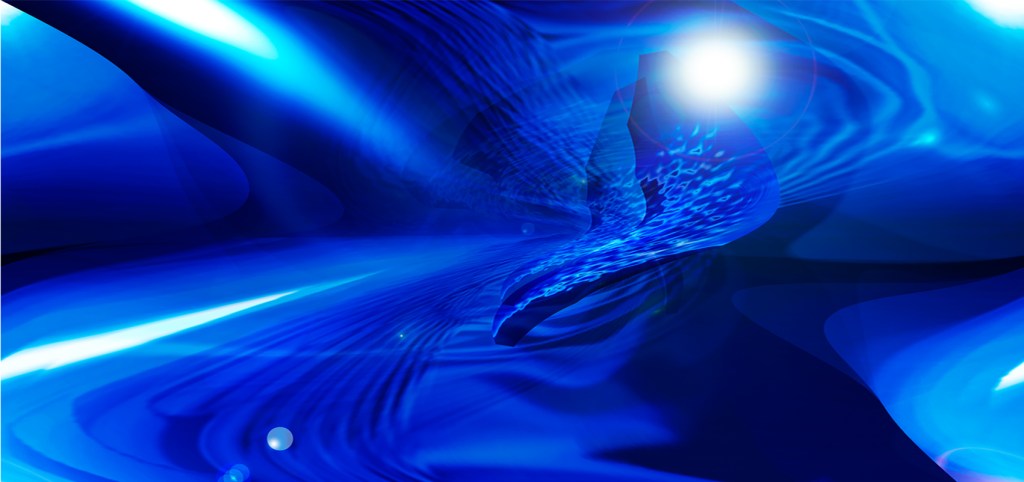
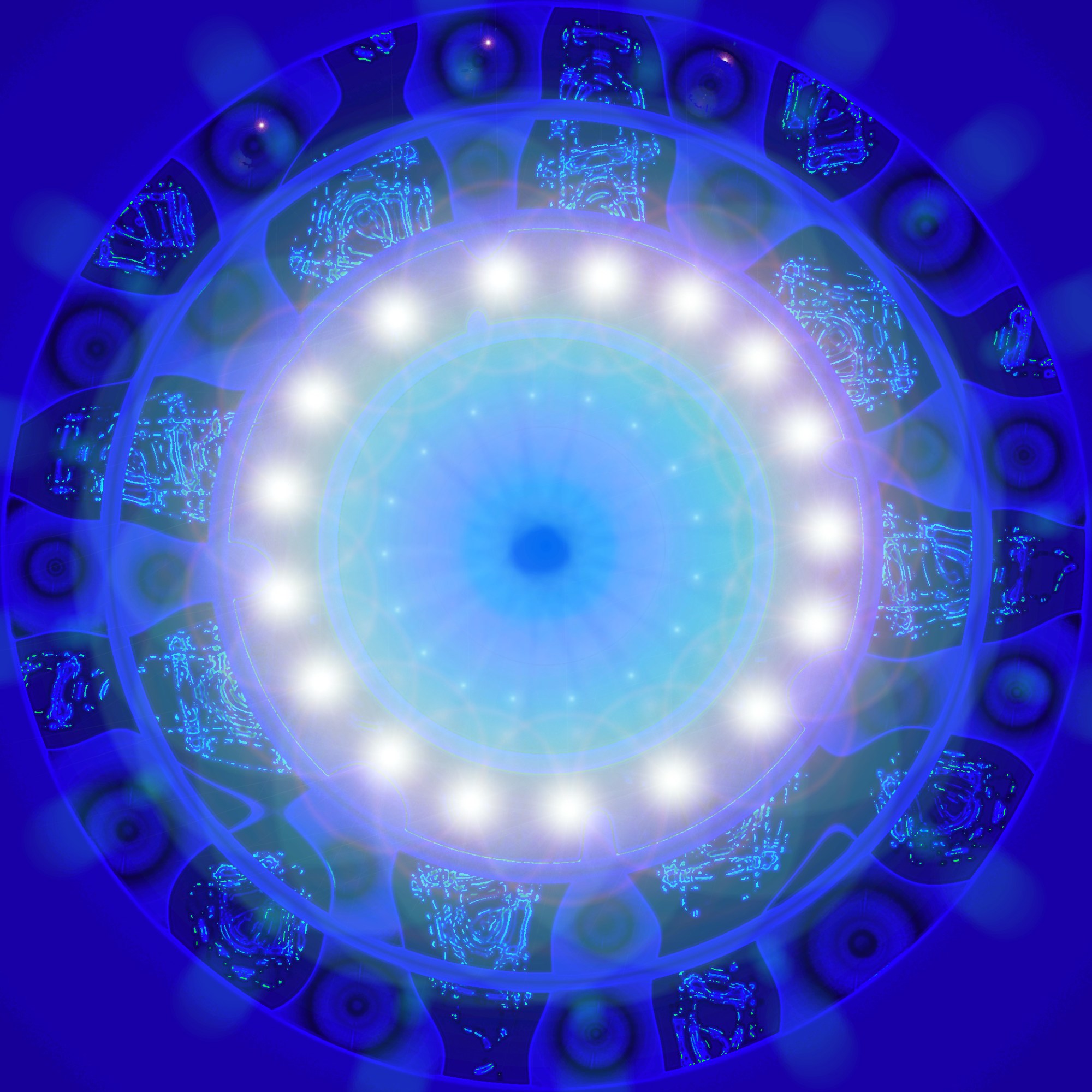
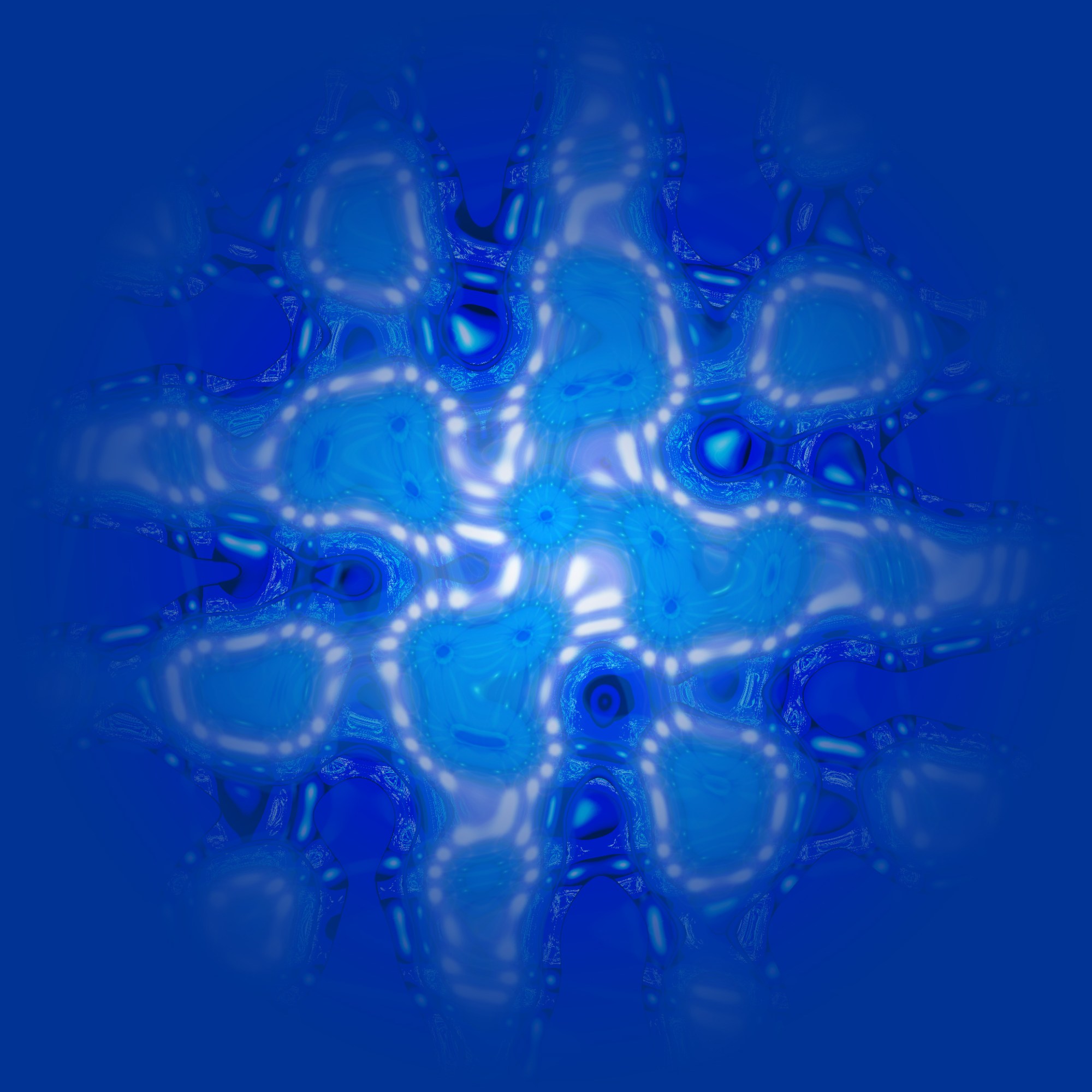
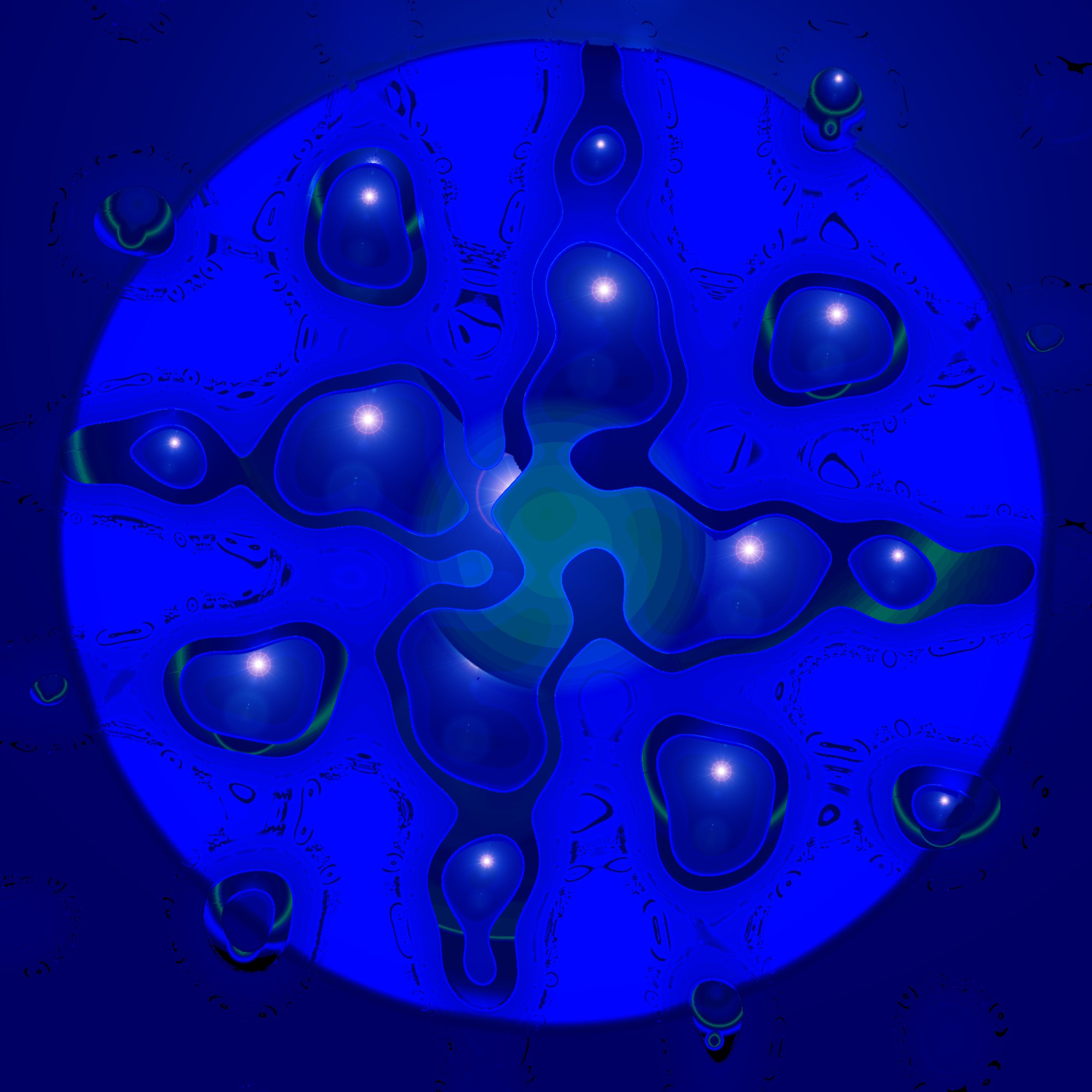
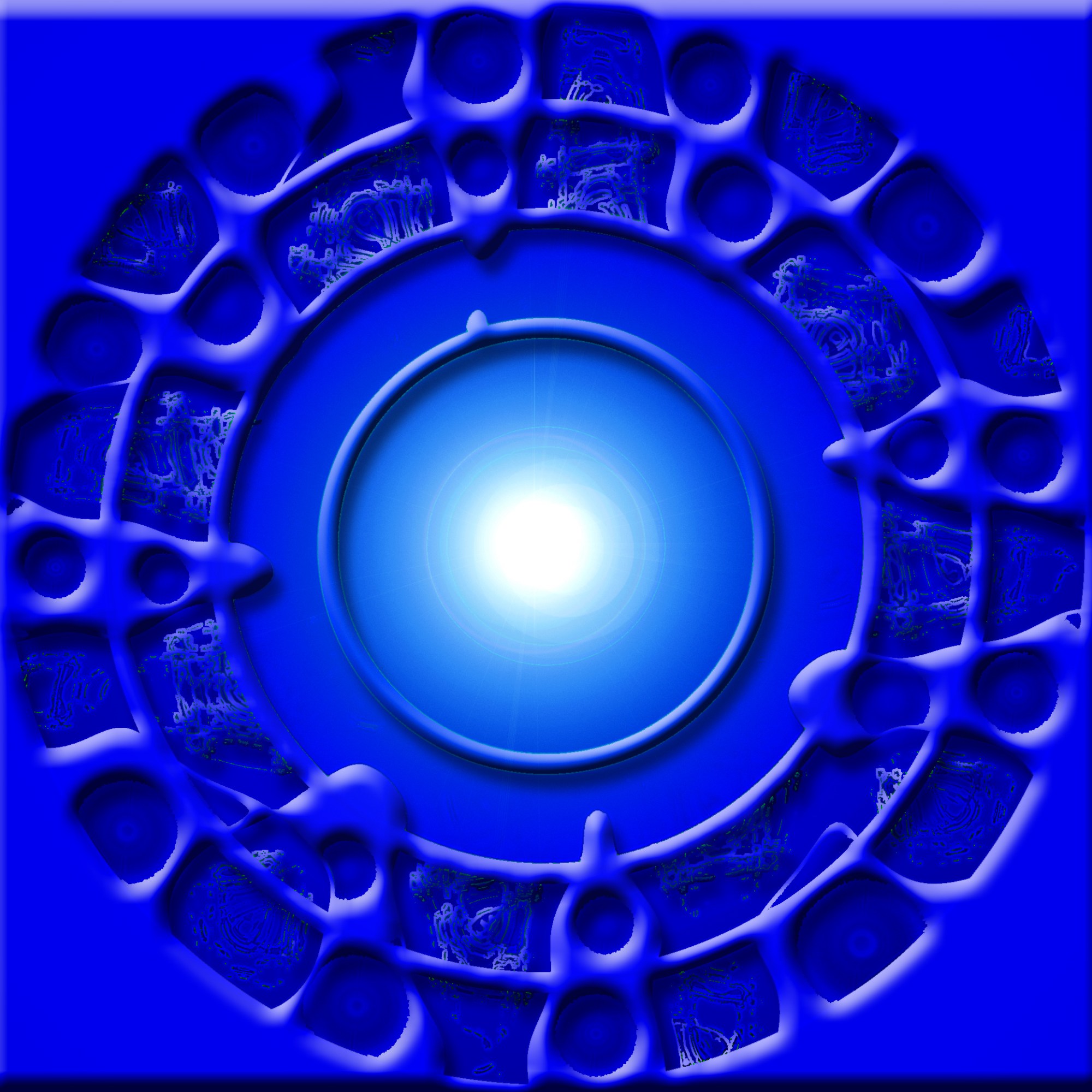
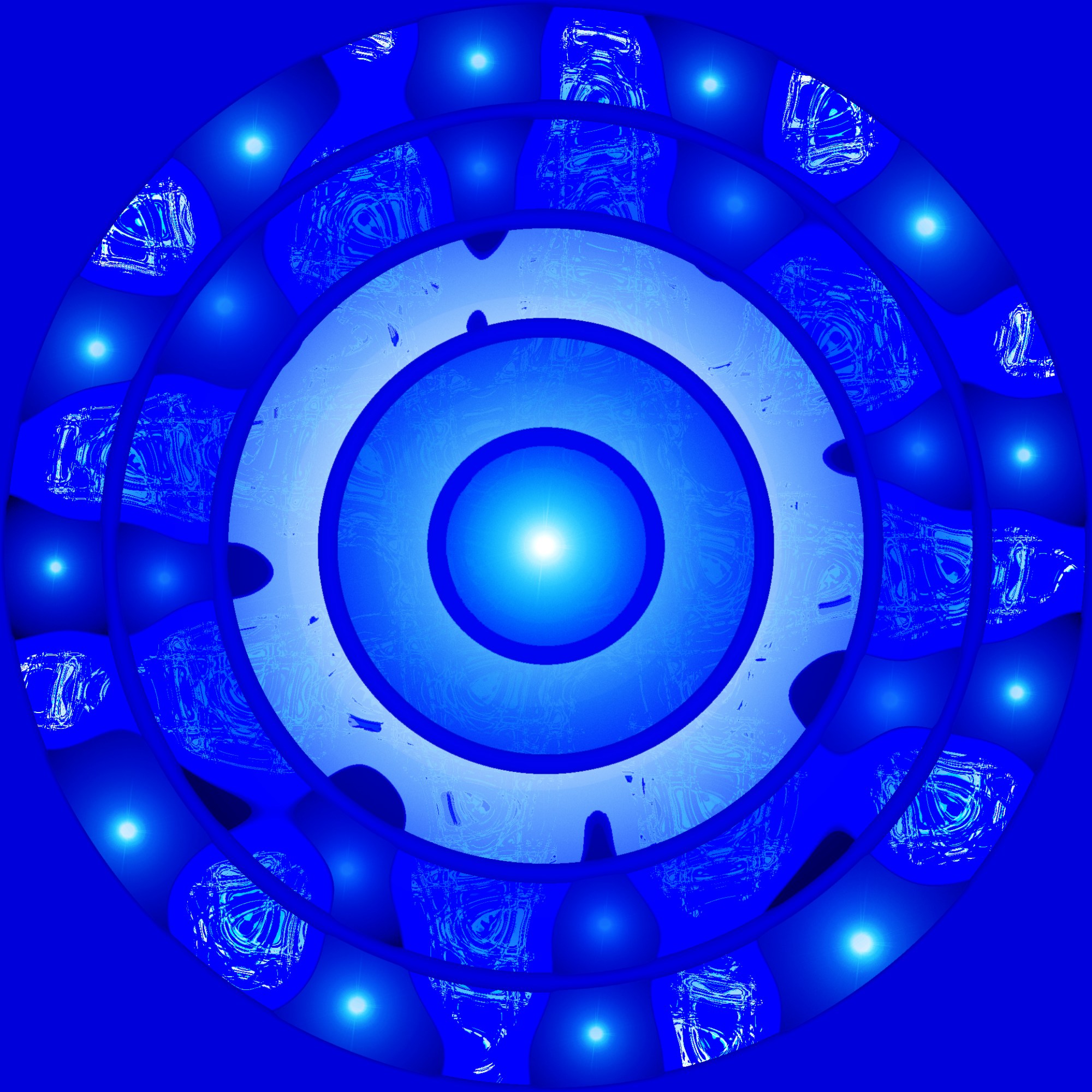
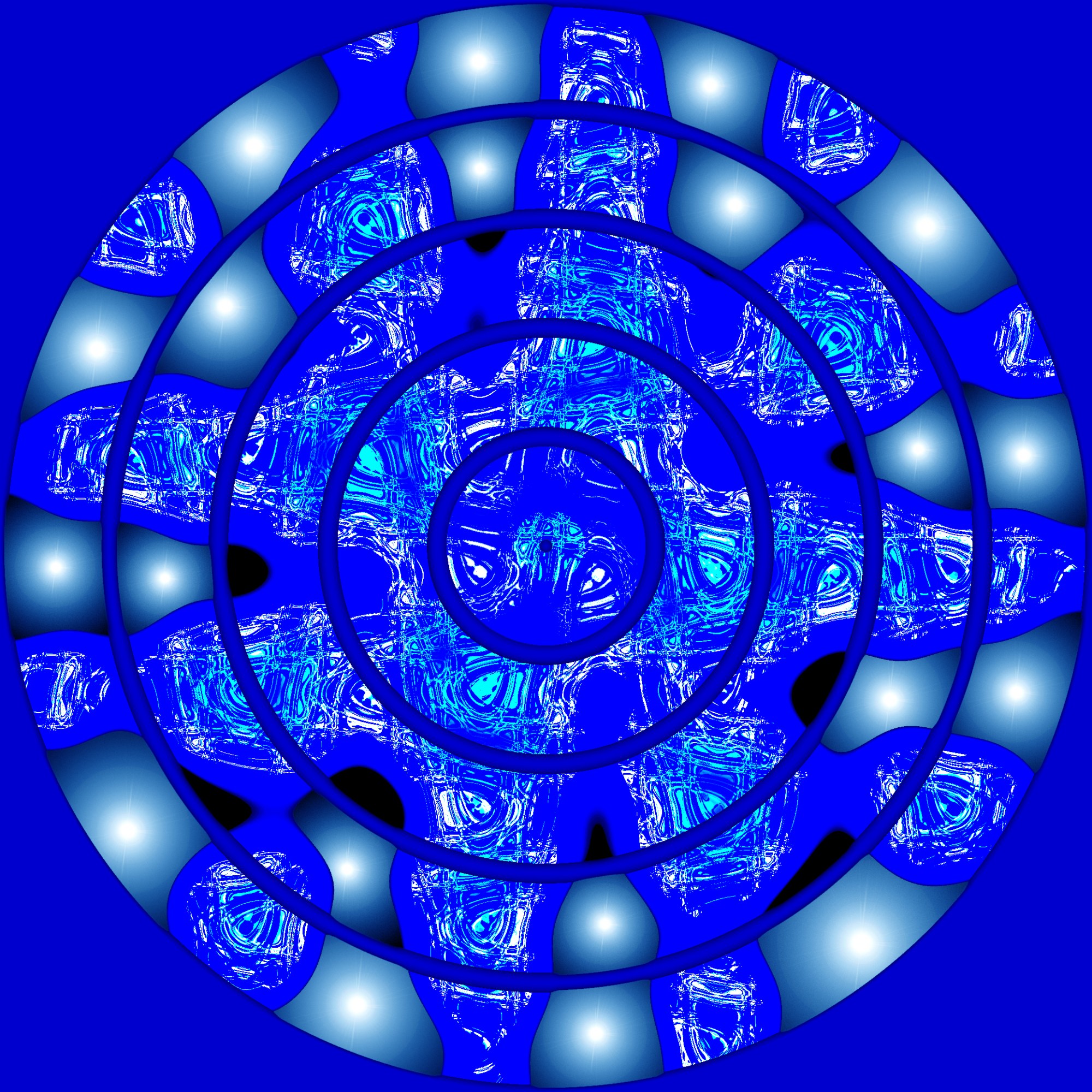
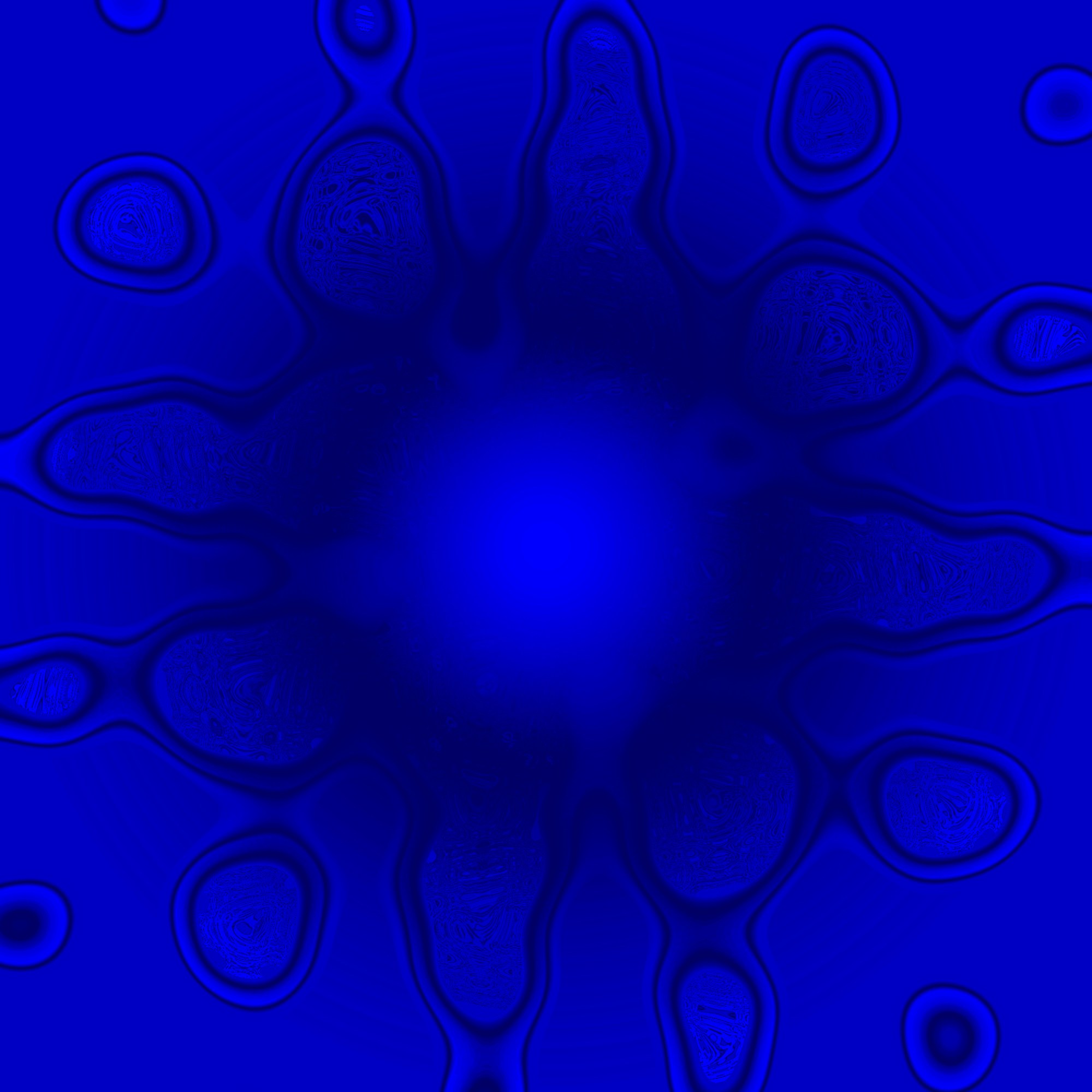
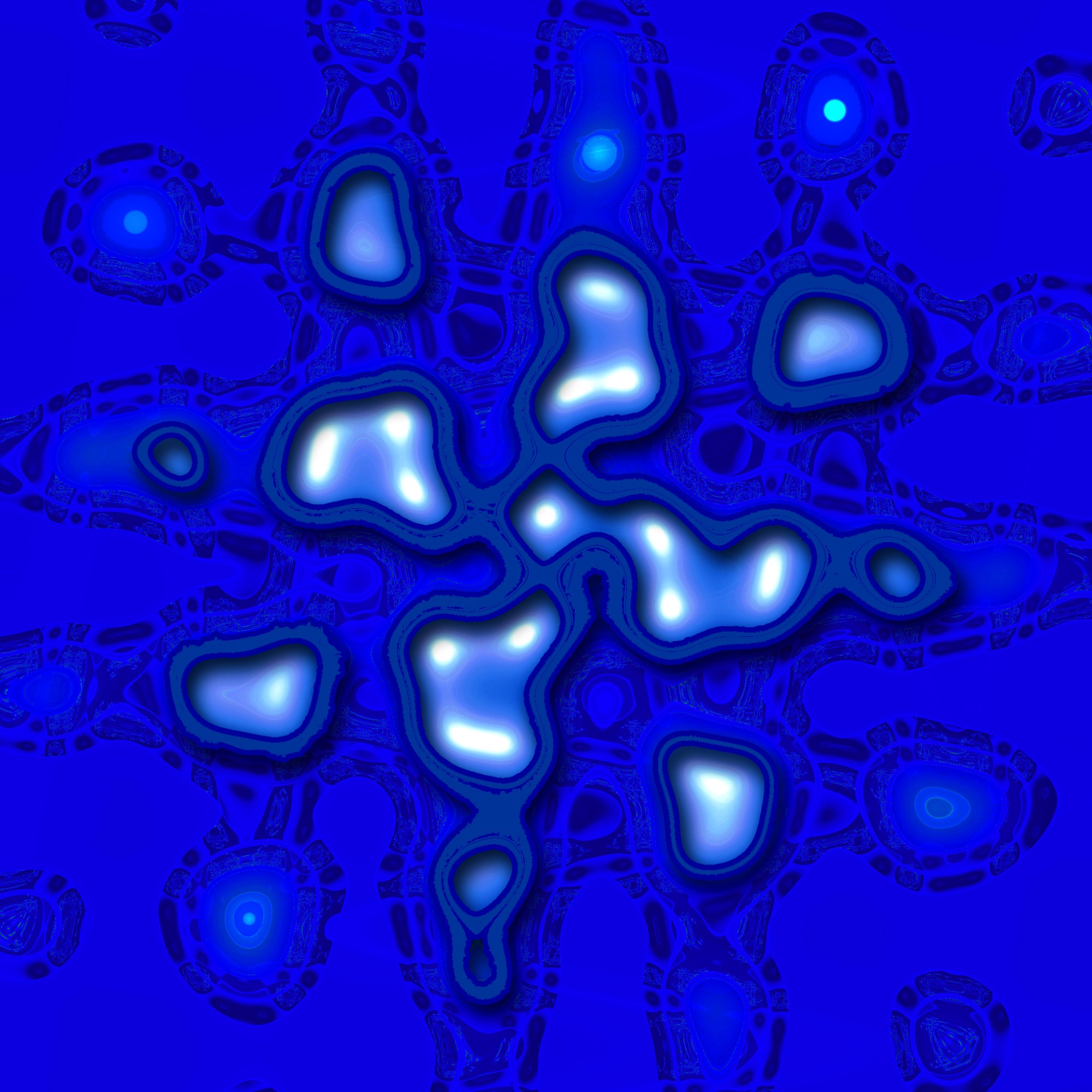
Quando ho conosciuto il lavoro di Jenny e di Chladni, ho visto delle sorprendenti analogie (al principio visive poi più profonde) fra le loro ricerche e il mio lavoro. Un suono può generare delle forme e il colore convertirle in spazi interiori.
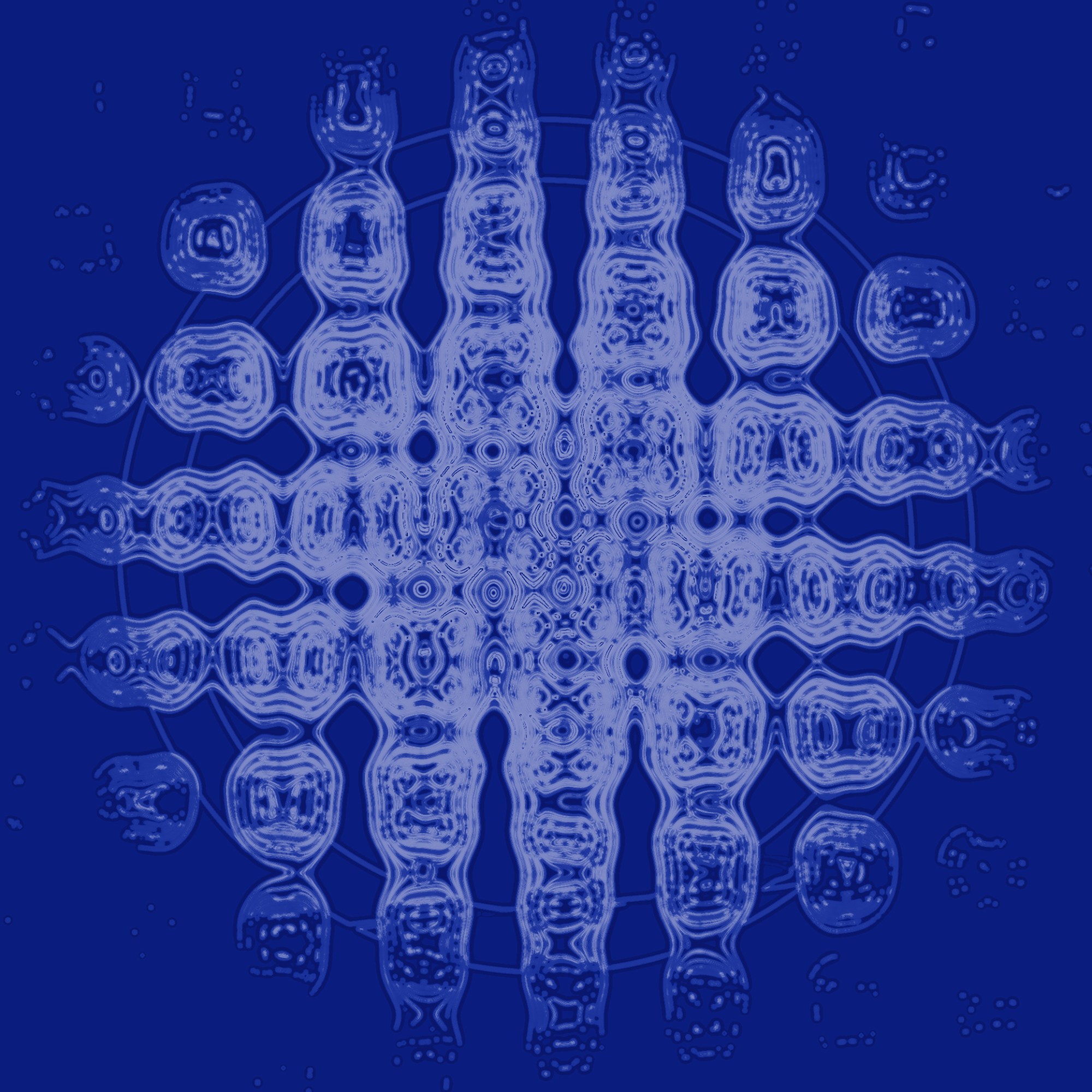
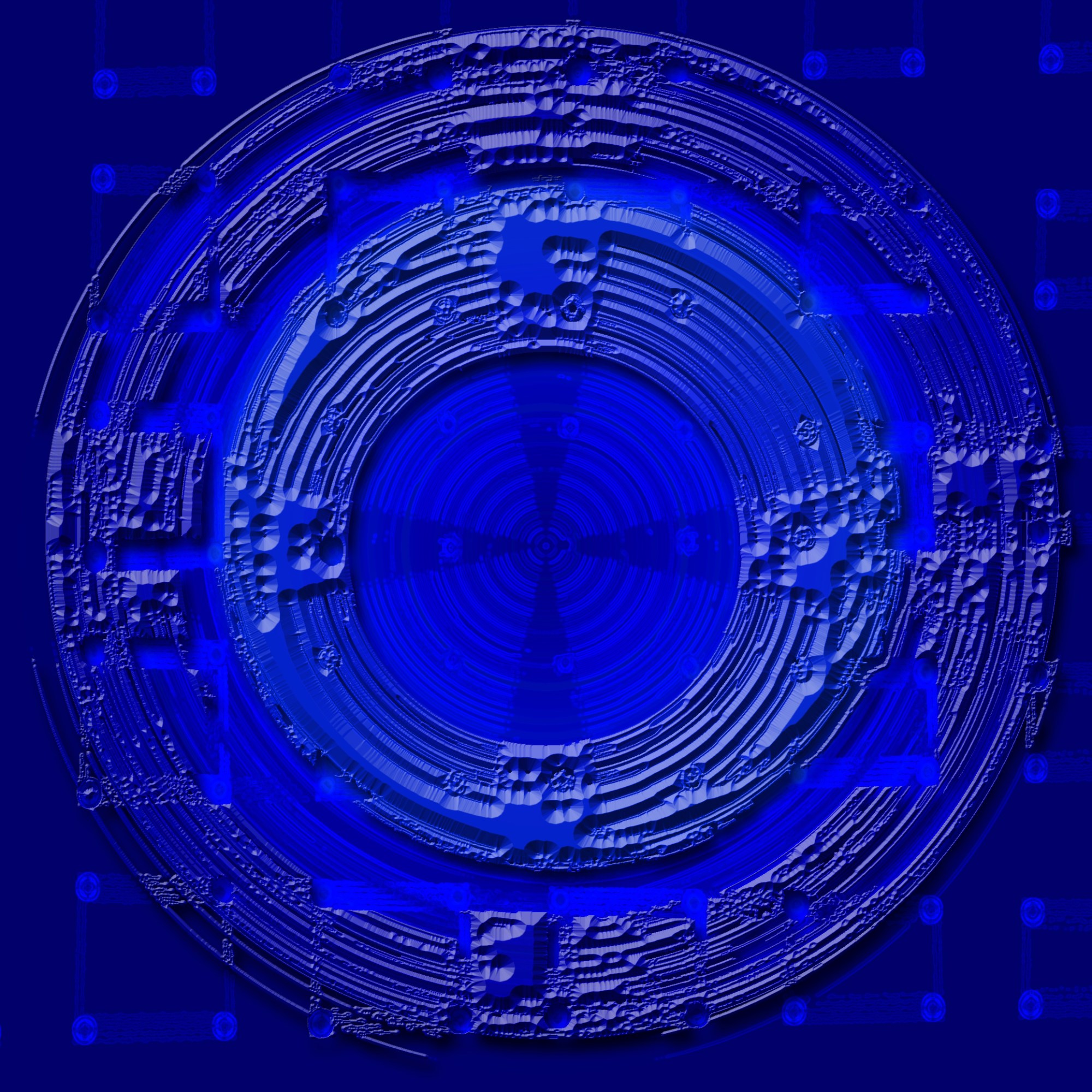
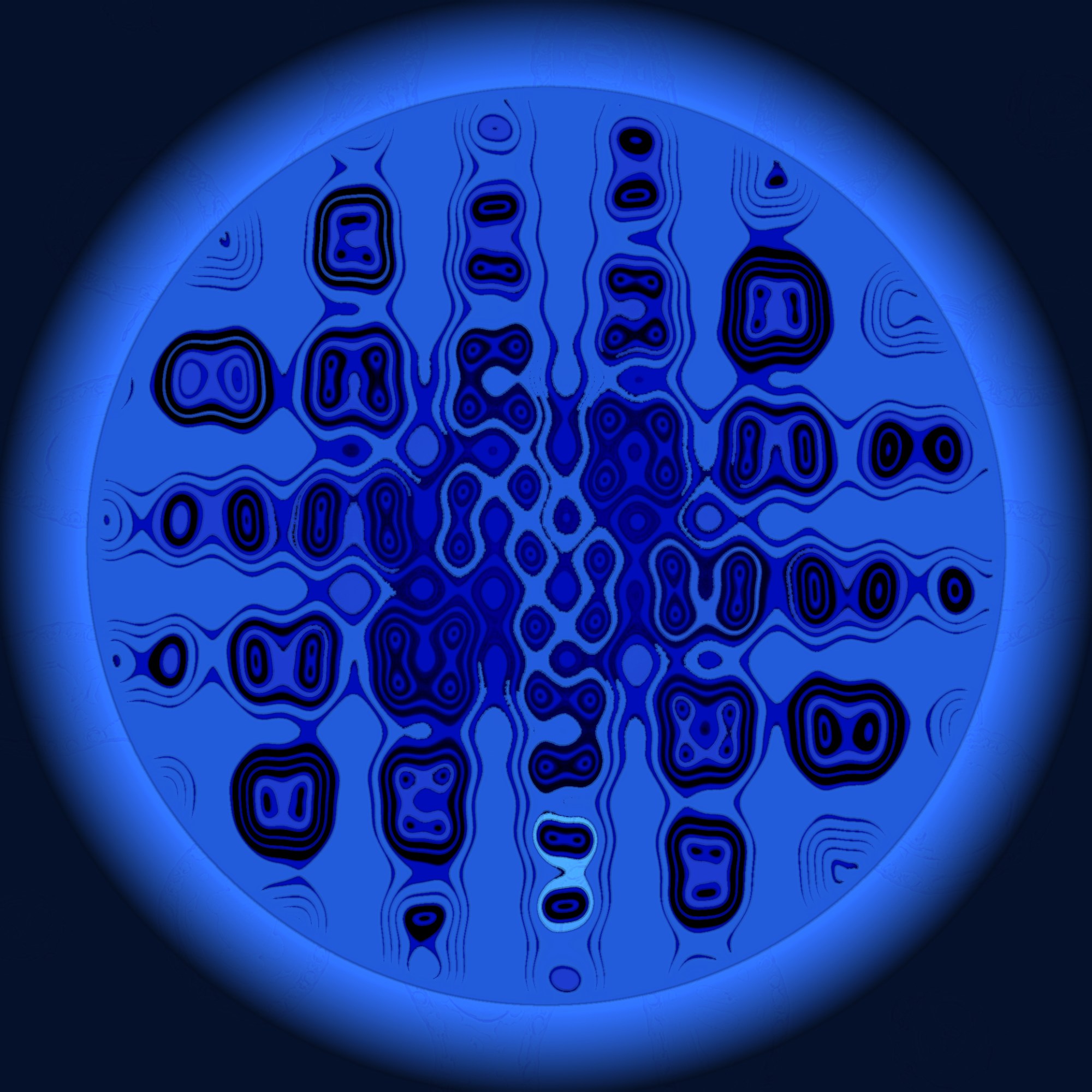
Da vent’anni sto elaborando una ricerca multidisciplinare sui paesaggi biologici e le cellule del corpo umano (“Beauty is itself a Cure e “Il Corpo immaginato“). In molti dei miei attraversamenti, trasformo le cellule e le ri-oriento attraverso il colore (che per me è anche suono, riverberazione) in una specie di geografia visionaria e sensibile. La terapia si converte in un’arte totale. Il colore-farmacon diventa un movimento, un elemento sottile capace di trasformazioni straordinarie, in una specie di danza cromatica ripetuta e modificata incessantemente. Le cellule diventano dei paesaggi circolari, trasfigurati dal colore, le cellule sono dei mondi cangianti e sensibili. Il viaggio all’interno del corpo si trasforma presto in serie di cicli narrativi diversi. Una sorta di diario visivo e sonoro scandito da una ciclicità in un estenuante processo di metamorfosi emotiva.
Il materiale visivo raccolto diventa una narrazione frammentaria – e come ogni racconto mitico – è inevitabilmente aperto a molte versioni differenti e ad altrettante interpretazioni.
When I got to know the work of Jenny and Chladni, I saw surprising similarities (visual at first and then deeper) between their research and my work. A sound can generate shapes and color can convert them into inner spaces.
For twenty years I have been developing multidisciplinary research on biological landscapes and the cells of the human body (“Beauty is itself a cure” and “The Imagined Body”). In many of my crossings, I transform cells and re-orient them through color (which for me is also sound, reverberation) into a kind of visionary and sensitive geography. Therapy becomes a total art. The color-pharmacon becomes a movement, a subtle element capable of extraordinary transformations, in a kind of chromatic dance that is constantly repeated and modified. Cells become circular landscapes, transfigured by color, creating changing and sensitive worlds. The journey inside the body soon turns into a series of different narrative cycles. A sort of visual and sound diary marked by a cyclical nature in an exhausting process of emotional metamorphosis.
The visual material collected becomes a fragmentary narrative – and like any mythical tale – it is inevitably open to many different versions and as many interpretations.
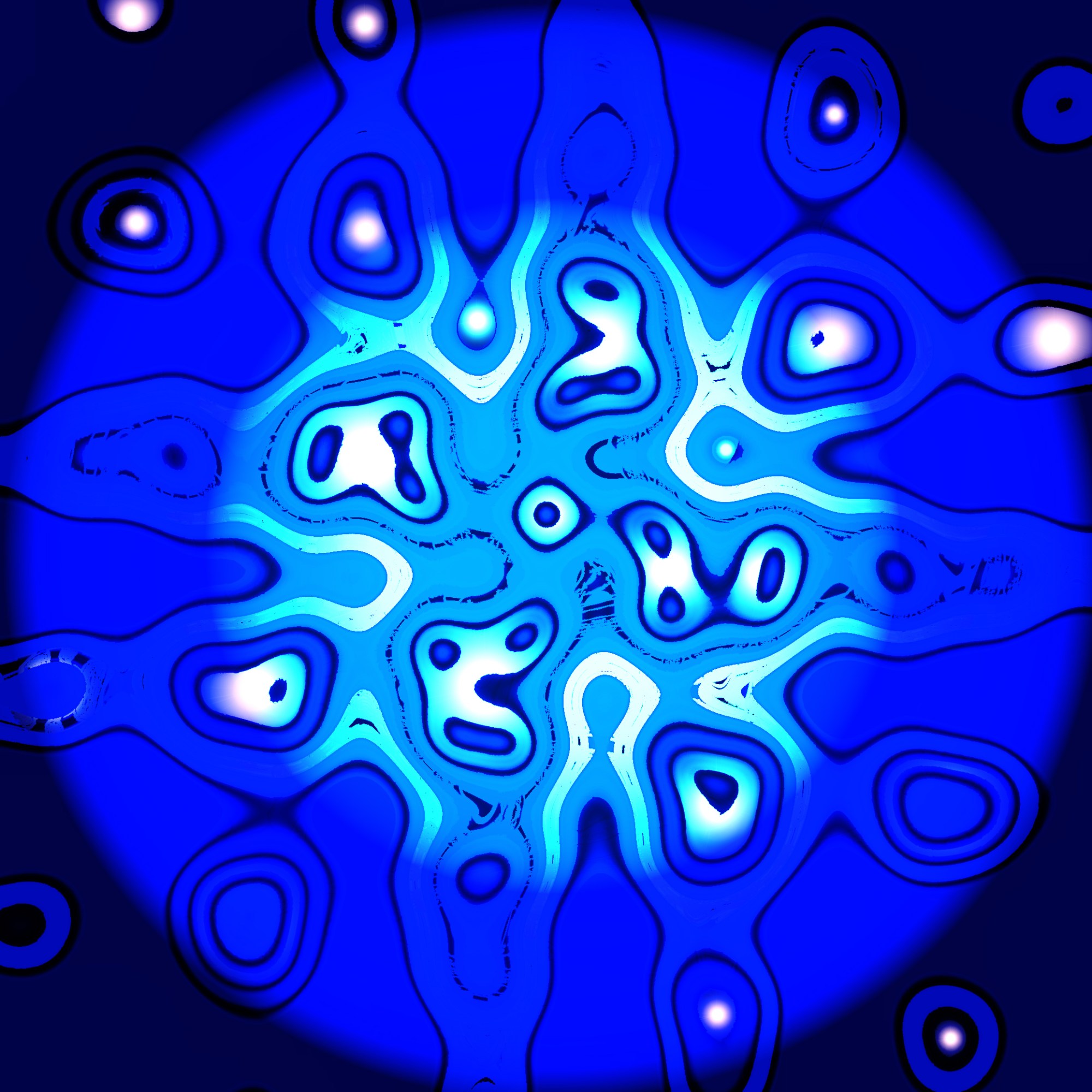
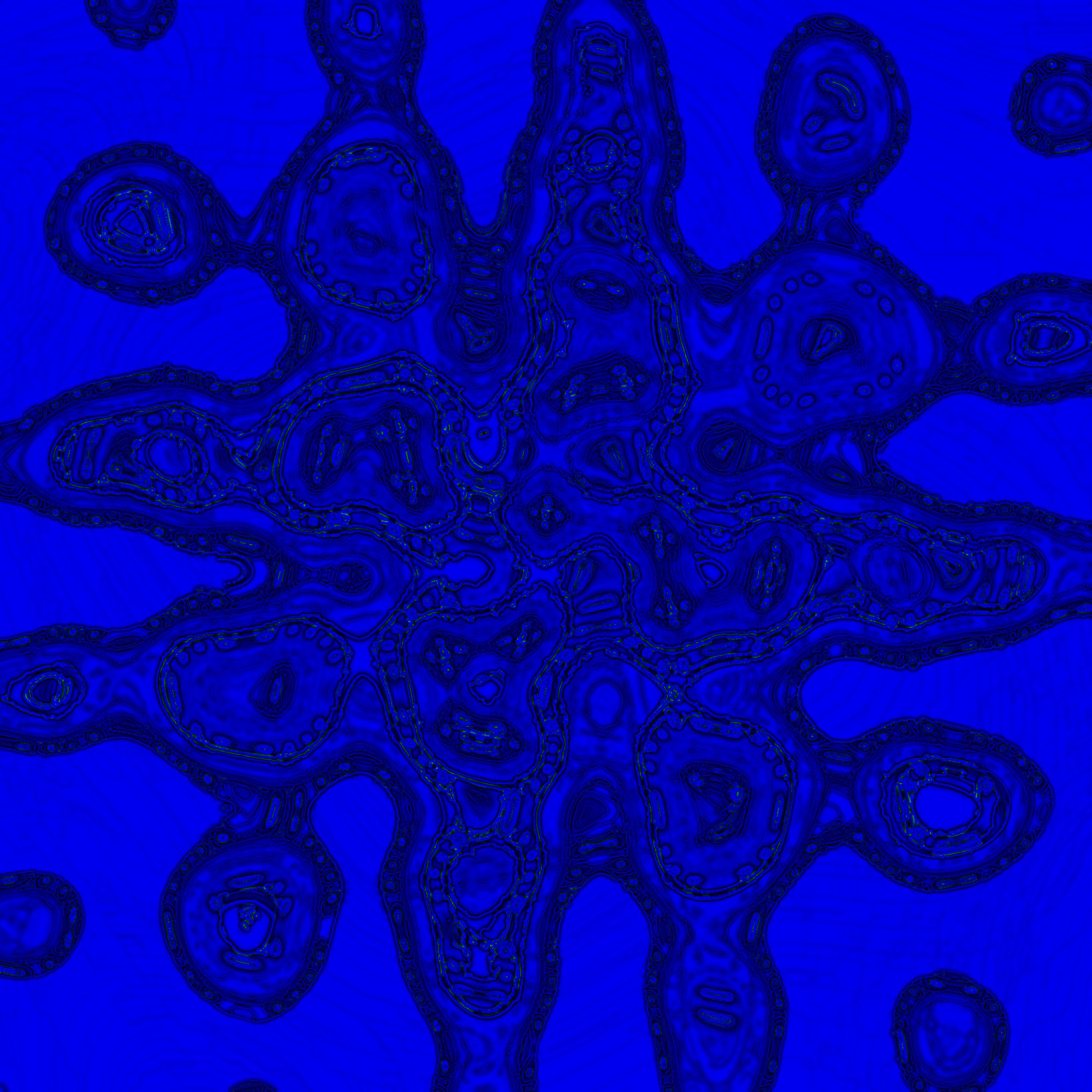
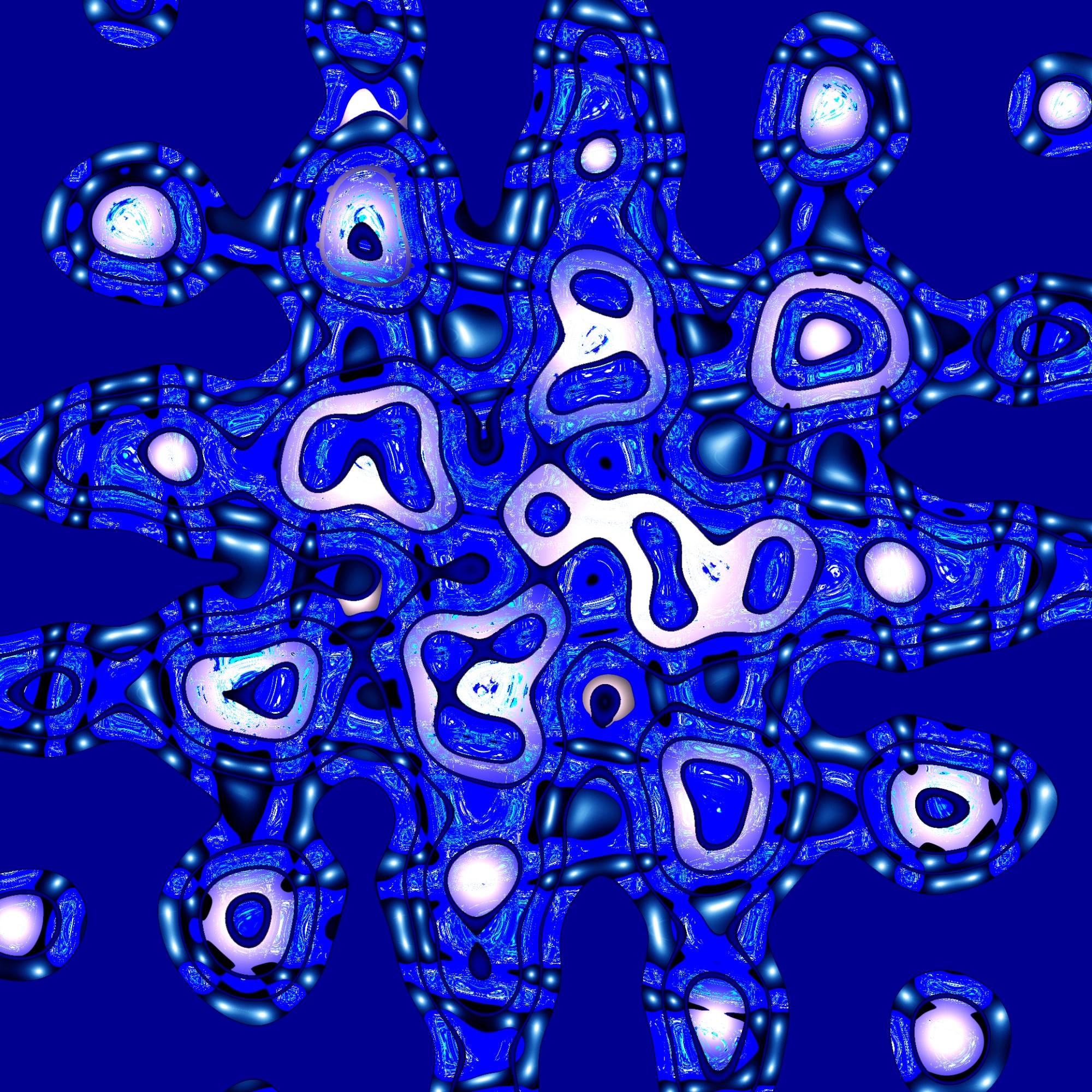
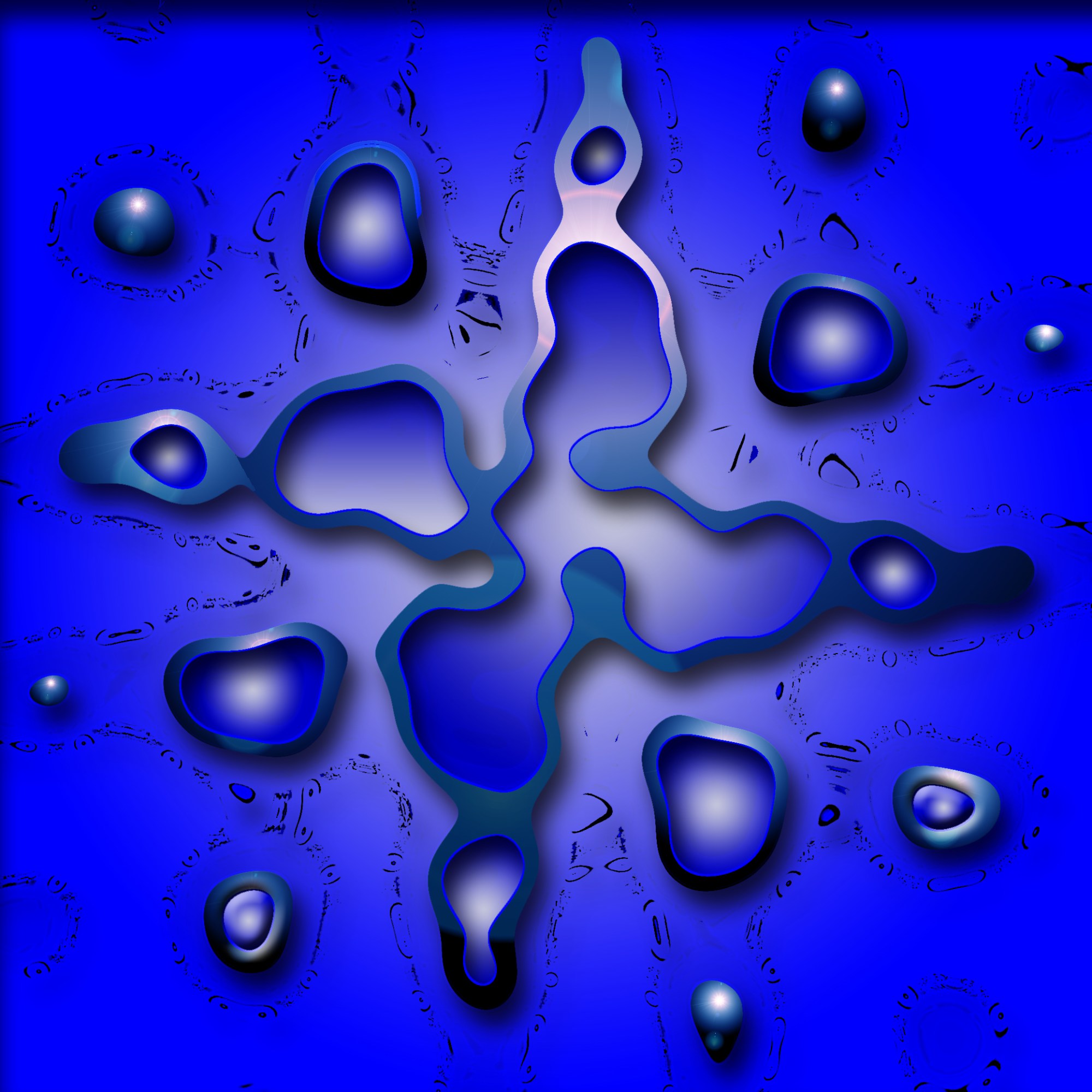
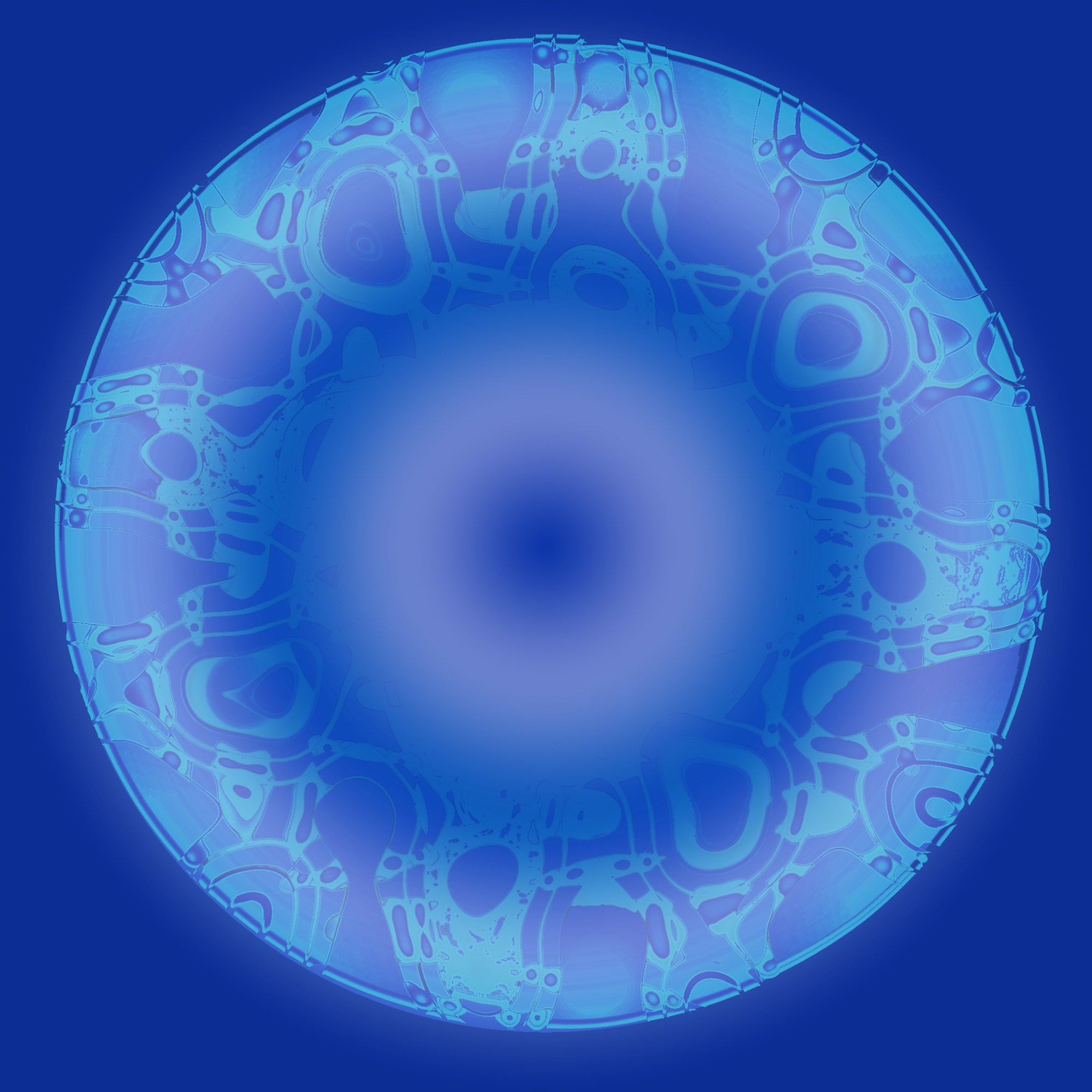
TRASFORMANDO LE CELLULE DELLA MIA TIROIDE, Claudia Bonollo/
TRANSFORMING THE CELLS OF MY THYROID, Claudia Bonollo
Danze Cromatiche, Claudia Bonollo/Chromatic Dances, Claudia Bonollo


 CLAUDIA BONOLLO ATELIER